
Origins & Development of Lariam
Early German and US Research: In 1934, German chemists at Bayer—working under the Third Reich’s wartime pharmaceutical programme—synthesised chloroquine (Resochin) and its analogue Sontochin as synthetic substitutes for natural quinine. Intended for military deployment in malaria-prone territories, these compounds were part of wider efforts by Nazi Germany to secure self-sufficiency in wartime medicine. American and British forces deployed a similar compound, Atabrine, especially in operations against the Japanese. Protection from malaria was essential but early human use revealed dangerous toxicity levels. Atabrine may have been a cause of some General Patton’s behaviour and even a suicide attempt by Orde Wingate, who led the Chindits in Burma. The results were troubling enough that the research was shelved prior to the end of the war.
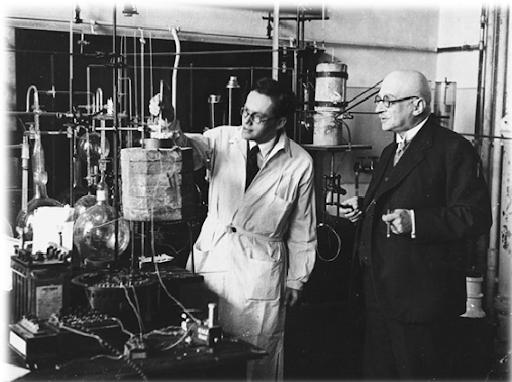
Synthesised for War: The Nazi Origins of Chloroquine
Post World War II: After Germany’s defeat, scientists from the Walter Reed Army Institute of Research (U.S. Department of Defense) recovered and repurposed these data to help pave the way for large-scale chloroquine adoption following their own difficulties with anti-malaria drug development. The malaria parasite could adapt to defeat drugs but new compounds would come at the cost of dangerous side effects.
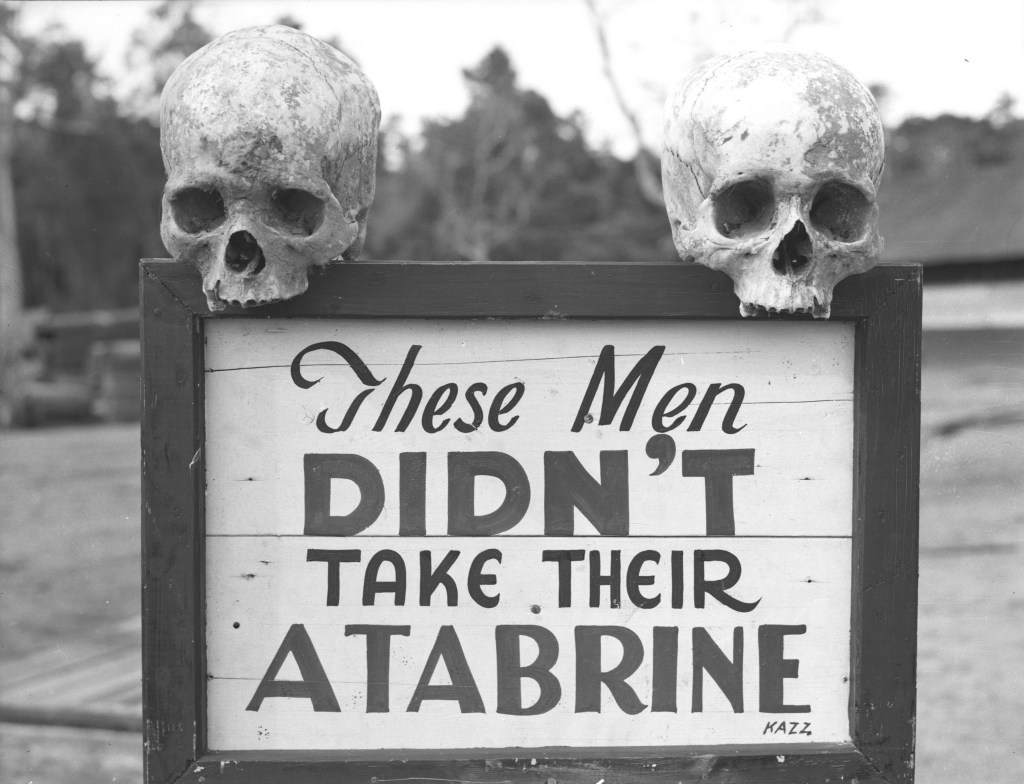
Walter Reed and the Nazi Blueprint for Chloroquine
Project MKUltra: This was a covert CIA programme (1953–1973) that tested psychoactive substances—including LSD, mescaline, and barbiturates—on unwitting subjects to explore mind control, interrogation resistance, and behavioural modification. While there is no declassified evidence directly linking Mefloquine (Lariam) to Project MKUltra, researchers have drawn significant comparisons between the two, involving military-backed pharmaceutical research, testing on vulnerable populations, and noting the severe neuropsychiatric effects. The US Army also assisted the CIA’s Project MKNaomi in developing and testing biological agents and delivery systems.

Between Consent and Control
Vietnam War & Malaria resistance: In the 1970s, with chloroquine resistance spreading across Southeast Asia during the Vietnam War, the U.S. Army developed Mefloquine, a quinoline derivative from the original Nazi drug, designed for deployment in combat zones.
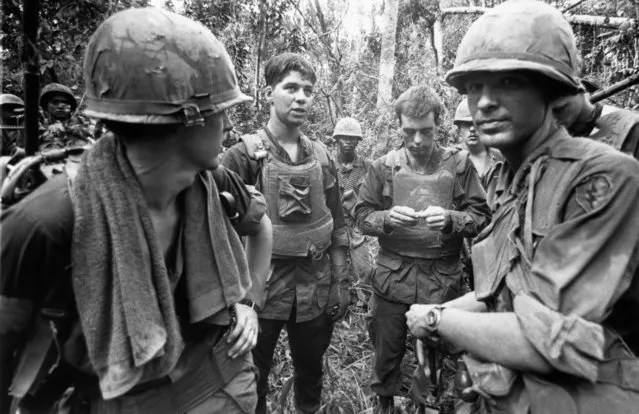
Vietnam, Resistance, and the Birth of Mefloquine
Prisoner Guinea Pigs: Initial human testing began in 1975–76 on inmates at Joliet Correctional Centre, Illinois, and the Maryland House of Correction.

Joliet Correctional Centre
Big Pharma & the Military: Due to military restrictions on commercial operations, the US Department of Defense partnered with Hoffmann-La Roche (later Roche) pharmaceuticals to manufacture and distribute the drug, Mefloquine, under the commercial name Lariam.

Big Pharma & the Military
Approval & Regulatory Oversight
Critical Phase III Trials missed: Although Lariam was approved by the FDA in 1989 and licensed in the UK the same year, critical Phase III safety trials weren’t completed until 2001—over a decade later. This means the drug was prescribed worldwide having evaded vitally important safety protocols.
Military Use & Concealed Risks
Military Lariam Trial Suicide: In December 1995, a British soldier died by suicide after participating in a Ministry of Defence-run clinical trial in Kenya. The MoD did not disclose the soldier’s involvement in the trial to the coroner or other relevant authorities. Lariam was subsequently linked to multiple suicides and reports of severe psychiatric side effects among UK service personnel, prompting significant concerns over its use and oversight for decades.

The Trial They Never Disclosed
MoDREC raised concerns: On 05 July 2016, during its 41st meeting, the Ministry of Defence Research Ethics Committee (MoDREC) reviewed Application 713/MoDREC/15, a study on the impact of antimalarial drugs on military performance. The study was flagged as contentious due to the inclusion of Lariam and concerns over it being issued without prescription. MoDREC raised concerns that no findings from a previous related trial had been disclosed—despite this prior study influencing current research design. The Committee instructed the researcher to provide the previous study’s findings as part of the review process.

Bias and Coercion in MoD’s Drug Study: Recruitment ethics came under scrutiny, with concerns raised over potential coercion from officer-led distribution of medication, inadequate options for participant withdrawal, and survey questions that could bias perceptions of side effects. The Committee mandated a comprehensive overhaul of the questionnaire, briefing materials, and recruitment protocol—exposing significant shortcomings in informed consent and ethical oversight.

MoD Blocks Disclosure: On 02 January 2020, the Medicines and Healthcare products Regulatory Agency (MHRA) confirmed that the Ministry of Defence refused to share the research protocol for its antimalarial trial 713/MoDREC/15 involving Lariam. The MoD cited intentions to publish the results in the future—they have never been released.
Neuropsychiatric Risks & Black Box Warning
A psychotropic drug: Lariam has been described as a psychotropic medication with antimalarial properties due to its profound impact on the central nervous system. Serious neuropsychiatric side effects have been widely reported, including paranoia, hallucinations, psychosis, severe depression, anxiety, suicidal ideation, suicide attempts, and completed suicide. Other symptoms—such as nightmares, insomnia, aggression, confusion, and emotional instability—may appear early and should be treated as prodromal indicators of potentially more severe psychiatric events, even if the drug is discontinued.

Described as “a horror movie in a pill”
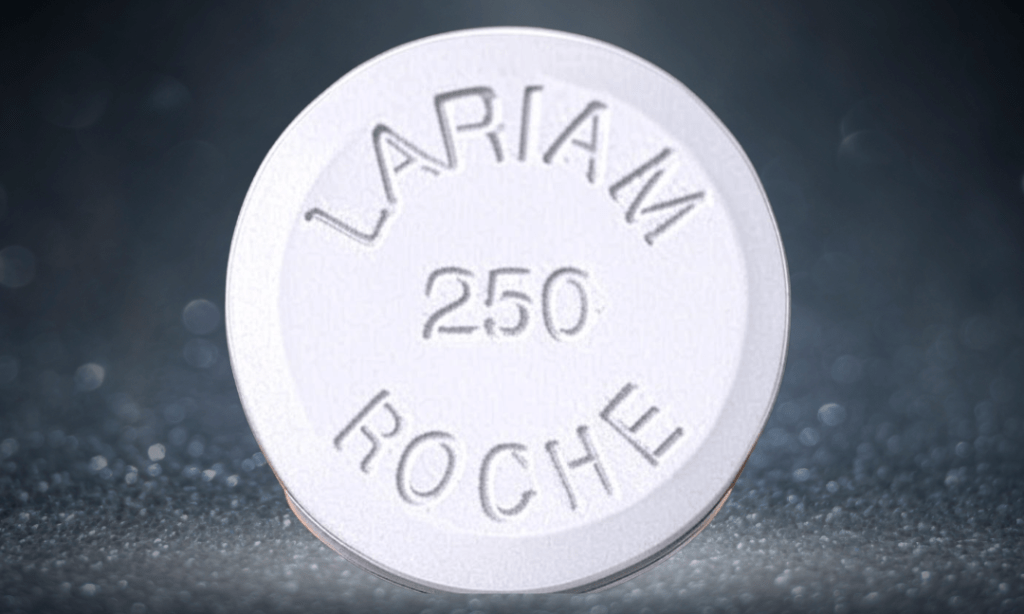
Double Dosage: Roche (UK) withdrew a critical safety warning and raised the recommended dosage based on research that has since been largely discredited. Promises made to the UK’s drug regulator—the MHRA—were not honoured, undermining confidence in the drug’s safety oversight.
Double dosage, doubles sales
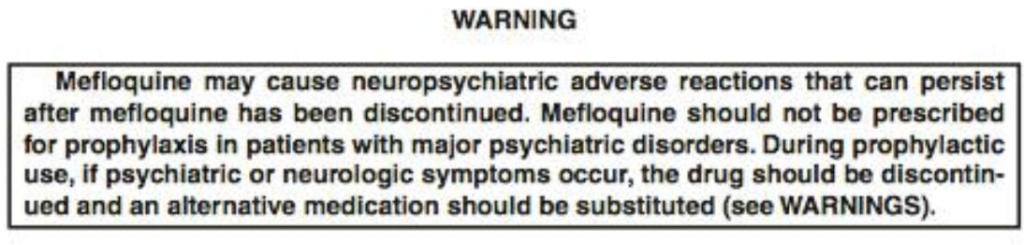
A black box warning: Also known as a boxed warning— it is the most serious safety alert issued by regulatory agencies like the U.S. Food and Drug Administration (FDA) and recognised by the UK’s MHRA. It signifies that a medication carries a significant risk of severe or life-threatening adverse effects. Lariam now carries a black box warning, underscoring the risk of permanent psychiatric harm.
Notable Cases of Violence
Murder Suicides at Fort Bragg (2002): A cluster of homicides and suicides involving four soldiers and their spouses occurred within a six-week period at Fort Bragg, USA in 2002. Several of the personnel were reportedly prescribed Lariam prior to or during deployment, prompting investigations into its potential role.

Staff Sgt. Robert Bales (2012): A US Soldier convicted of murdering 16 Afghan civilians during a night-time killing spree, Staff Sergeant Bales had almost certainly taken Lariam. For reasons that remain opaque, the plausible involvement of Lariam was not raised during his trial. Bales escaped the death penalty, being sentenced to life imprisonment without parole. The Department of Defense will not disclose which drugs he had taken.

SSgt Bales
Agnes Wanjiru Murder: In 2012, 21-year-old Kenyan mother Agnes Wanjiru was brutally murdered near a British Army training base in Kenya. The murder, allegedly involving British soldiers, remains unsolved. In 2024, ITV broadcast The Base: A British Army Scandal, a powerful documentary questioning the handling of the investigation. Featuring testimonies from former soldiers, the film reveals that the identity of the prime suspect was allegedly common knowledge, yet he remains free in Britain. The documentary further implicates senior military figures in a possible long-standing cover-up. Lariam was the default anti-malarial for all soldiers deploying to Kenya.

Agnes Wanjiru
Use in British Military & Lack of Accountability
Drugged by Default: Lariam was routinely issued as the default antimalarial to British forces deployed to malaria endemic regions, and even on occasions where the risk was considered low, such as areas of Iraq and Afghanistan. Even after serious neuropsychiatric side effects were well-documented, Service personnel often had no choice and were denied access to safer alternatives like Malarone or Doxycycline, which were readily available.

Issued Without Choice
Whitewashed records: No central records have been kept on the prescribing of Lariam to UK military personnel, though estimates suggest well over 100,000 service members may have been issued the drug since its introduction. Repeated systemic failure to implement MOD policy and drug manufacturers’ instructions meant the drugs were routinely handed out like paracetamol, or left on dining tables for consumption. Many soldiers were simply paraded and forced to consume Lariam, without the drug’s use being noted in personal medical records. Where Lariam was listed in personal records, a recurring trend of ‘missing’ or ‘lost’ or simply airbrushing of medical records has been identified.

Records Lost, Voices Silenced
Coroner cover-up: Despite compelling evidence presented in multiple inquests, coroners in England and Wales have repeatedly declined to acknowledge Lariam as a contributing factor in veteran suicides. This pattern of omission—whether through legal caution, evidentiary thresholds, or institutional reluctance—has left families without closure and obscured the role of a drug long-known to be associated with suicide ideation and completion.

Silenced in the Coroner’s Court
Misleading Parliament: Parliament has been continuously misled about the safety profile, usage policies, and regulatory obligations surrounding Lariam—raising concerns about transparency and accountability at the highest levels.

A Briefing Built on Omission
Silent withdrawal: From approximately 2019, the Ministry of Defence began phasing out Lariam without formal public announcement, effectively abandoning its use in favour of the safer alternatives while avoiding scrutiny over past harms.

Safer Drugs Chosen—But No Reckoning for the Past
No Disadvantage: Despite sufficient evidence and regulatory warnings, no NHS services, including the Care Quality Commission, Op COURAGE, Op RESTORE, or COBSEO-affiliated charities—formally acknowledge the neurotoxic harm linked to Lariam. Veterans presenting with related neuropsychiatric symptoms are routinely misdiagnosed and mismanaged, often being placed on inappropriate treatment pathways that can worsen their acquired brain injuries and compound long-term harm.

When Care Systems Look Away
Long-Term Effects & PTSD-like Symptoms
Suicide ideation and completion. Lariam has been linked to enduring neuropsychiatric harm, including suicide ideation, suicide attempts, and completed suicides—sometimes occurring weeks or months after exposure. In 2014 it was established by British and European regulators that the drug’s safety profile was characterized by a predominance of neuropsychiatric adverse events and that these could be long-lasting and even persistent.

The Silent Toll of a Prescribed Risk
Quinism: Lariam is associated with symptoms that closely mimic Post-Traumatic Stress Disorder (PTSD), often leading to misdiagnosis. In the United States, independent researchers now recognise this syndrome as Chronic Quinoline Encephalopathy (CQE) or Quinism—a form of brain injury caused by poisoning from quinoline antimalarials. Like exposure to toxic substances such as lead, mercury, medications, street drugs and other poisons, mefloquine poisoning can severely disrupt normal brain function, resulting in a range of neurological and psychiatric symptoms, some of which may be irreversible.

Sanctuary Trauma: The European Medicines Agency (EMA) has confirmed that Lariam can cause long-lasting and even permanent brain injury. Yet no curative treatment exists, and affected veterans are left unsupported.
When seeking help, many experience sanctuary trauma—a deep betrayal by some medical professionals and officials who dismiss their concerns with remarks such as:
- “Malaria kills millions each year, it’s a really dangerous disease.”
- “All medicines have side effects.”
- “There’s no proven permanent harm.”
- “The benefits far outweigh the risk.”
- “It’s out of your system—years have passed.”
- “There’s only anecdotal evidence”
- “The Cochrane report doesn’t show this”
Such responses compound injury, leaving veterans isolated, invalidated, and without proper care. Some have gone on to commit suicide.

Healing Denied: When Medical Institutions Compound Injury
Broken Promises: Crucially, although a formal commitment was made in 2017 to screen veterans for Lariam-related injury, this promise has not been fulfilled—leaving many to suffer without proper recognition or care.

Use at Guantanamo Bay Prison
Pharmaceutical Waterboarding: At Guantanamo Bay, detainees were administered doses of Lariam at five times the standard prophylactic amount within a 24-hour period, without any credible medical or public health reason: there is no malarial in Cuba. This practice, revealed through declassified military records, has been described as a form of pharmaceutical waterboarding—an attempt to induce psychological destabilisation prior to interrogation. Others suggest it may reflect continuation of Cold War-era drug experiments (Projects MKUltra, MKNaomi), despite official claims to Congress that such programmes had ceased.

Uncovering Lariam’s Use at Guantánamo
Civilians and Soldiers Alike: A Shared Risk Ignored
The neuropsychiatric risks of Lariam have not been confined to the battlefield. British broadcaster Jeremy Vine publicly recalled experiencing vivid, disturbing dreams involving spiders after taking the drug while travelling. Comedian Paul Merton attributed a severe mental health crisis—including hallucinations and a six-week stay in a psychiatric hospital—to Lariam taken before a trip to Kenya. These high-profile civilian cases mirror the experiences of countless military personnel who were issued the drug without adequate warning or monitoring. The parallel is stark: whether taken in uniform or on holiday, Lariam has triggered episodes of psychosis, paranoia, and suicide ideation—yet institutional responses dismiss these harms as anecdotal or unrelated

Comedian Paul Merton admitted to a Mental Hospital from Lariam’s affects
Legal & Government Investigations
Drug of Last Resort: In 2015–16, the UK Defence Select Committee concluded that the Ministry of Defence had failed in its duty of care, citing poor risk assessment, inadequate informed consent, and a disregard for adverse outcomes. The Committee recommended that Lariam be designated as a drug of last resort, only to be prescribed when no suitable alternatives were available.

Buried Evidence: A 2014 report by the European Medicines Agency (EMA) identified a causal link between Lariam and persistent neuropsychiatric damage. Despite the significance of this finding, both the MoD and Roche withheld it from Parliament’s Defence Committee, denying Parliament access to key safety data.

Legal Reckoning: As a result of the mounting evidence of harm and institutional failures, hundreds of legal actions are now pending across multiple jurisdictions—targeting governments, defence ministries, and pharmaceutical companies for negligence, lack of informed consent, and long-term harm.

Behind Closed Doors – MoD Global Settlement Betrayal: In late-2024, hundreds of veterans pursuing legal redress for their Lariam injuries, were forced towards a Global Settlement with the Ministry of Defence. It is thought that some payments may be as little as £3,000, after deductions for legal fees. And it is also believed that no one is allowed to disclose the amount they receive, while the settlement total itself may be withheld from the public. The terms are thought to have followed negotiations between the Government Legal Department (GLD) and solicitors. Many damaged veterans have since expressed deep dissatisfaction with the outcome, citing a perceived failure to robustly represent their individual circumstances. This deal, presumably endorsed by the Veterans Minister, sees the MoD closing the matter with no fault recognised nor even any acceptance of the harm caused by the Lariam. Those harmed simply re-enter the Sanctuary Trauma loop.

The Settlement That Broke Trust
Future Regulatory Changes – A Cause for Concern.
Fast-Tracked to Failure: From 2024, the UK’s Medicines and Healthcare products Regulatory Agency adopted a new “recognition route” model, allowing for fast-track approval of medicines already authorised by so-called “trusted regulators” in countries like the USA, Japan or in the EU. While framed as a move to accelerate patient access, there is little transparency on how “trusted” status is to be determined. Thalidomide, Infected Blood, Lariam…

 The Lariam Tab